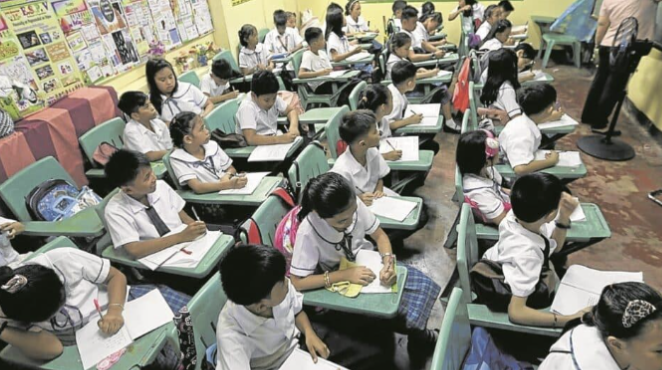
In the Philippines, two students can live only a few kilometers apart but grow up with very different opportunities. One might attend a private school with computer laboratories, academic competitions, and college counseling. The other might attend a public school where classrooms are overcrowded and computers are shared among many students. Both may work equally hard, but their educational experiences are not the same.
This is one example of social inequality, which refers to the unequal distribution of resources, opportunities, and advantages among different groups in society.
According to the Philippine Statistics Authority, approximately 11.1 million Filipinos lived below the official poverty threshold in 2025. Although poverty has declined, inequalities in education, healthcare, housing, and employment remain serious concerns.
Education is particularly important because its effects can continue throughout a person’s life. Students with reliable internet connections can access online lessons, research materials, and educational programs. Those without internet access may struggle to complete assignments or develop computer skills. These differences can eventually influence their chances of entering universities and obtaining better-paying jobs.
Family circumstances also matter. A student from a financially secure household may receive tutoring, participate in extracurricular activities, or attend university without worrying about tuition and living expenses. Another student might need to work after school or help support younger siblings.
Neither student’s future is determined entirely by these circumstances. However, one has more resources available to overcome difficulties than the other.
Social inequality is also visible in employment. Cities such as Angeles and Clark have attracted businesses, factories, and commercial developments. These create jobs, but many positions require technical qualifications, English proficiency, or previous work experience. People who cannot afford additional training may find it difficult to benefit from these opportunities.
Addressing inequality therefore requires more than creating jobs or increasing national income. Public schools need adequate facilities, students need affordable internet access, and workers need training programs connected to actual employment opportunities.
Businesses can also contribute by providing apprenticeships and entry-level training for applicants who have limited professional experience.
The Philippines has made progress in reducing poverty, but improving social mobility remains a separate challenge. A society becomes more equal not simply when more people earn money, but when opportunities depend less on the circumstances of their birth.
Two students may never begin with exactly the same advantages. The goal should be to ensure that those differences do not determine how far they can go.
M. Kim