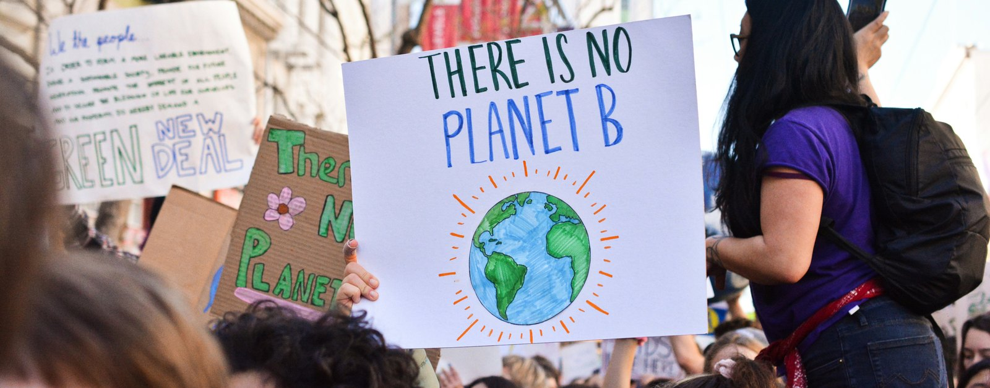
Young voters are often described as apathetic, but many are simply unconvinced that politics listens to them.
Students may care deeply about climate, tuition, housing, jobs, and equality while still feeling distant from candidates who seem older, scripted, or disconnected from their lives.
This issue matters because it shows how large social changes enter everyday life. They do not arrive only through headlines; they appear in routines, choices, relationships, and the small systems people depend on without thinking.
When young people do not vote, leaders have less incentive to prioritize them. Low participation becomes a cycle: politicians ignore youth issues, and young people feel more ignored.
Voting is not the only form of civic action. Protests, volunteering, local organizing, and public discussion matter too. But voting remains one of the clearest ways to convert concern into political pressure.
Schools and communities can make registration easier, explain local elections, and treat voting as a habit rather than a dramatic event every few years.
A vote does not solve everything. But silence is easier for power to dismiss. Young people deserve to be counted before others decide their future for them.